DONE IT!
UN votes to outlaw nuclear weapons in 2017
On 27th October the UN officially voted to outlaw nuclear weapons in 2017. 123 states voted in favour of a Resolution to start negotiations next year on a treaty that will ban nuclear weapons. Only 38 states voted against; 16 abstained.
The resolution will set up a UN conference beginning in March next year, open to all member states, to negotiate a “legally binding instrument to prohibit nuclear weapons, leading towards their total elimination”. The negotiations will continue in June and July.
This decision initiates the first multilateral nuclear disarmament negotiations in 20 years, bypassing the deadlock in the Conference on Disarmament (CD) which has been unable to undertake any disarmament negotiations since it concluded the Comprehensive Nuclear Test Ban Treaty in 1996.
123 countries supported the resolution (most of the non-nuclear countries along with North Korea). The other nuclear-armed states and those under extended-nuclear-deterrence relationships – i.e. NATO countries, Japan, South Korea and Australia – either opposed or abstained on the decision. As such, it is unlikely they will participate in the negotiations or sign the resultant treaty.
Other UN resolutions
The UN also adopted a number of other disarmament resolutions including one supporting a Middle East Nuclear Weapon Free Zone (adopted by consensus), one to de-alert all nuclear weapons systems and reduce the risk of nuclear weapons use (174 in favour, four against and four abstentions), and one to hold a UN High Level Conference on Nuclear Disarmament no later than 2018 to advance a nuclear weapons convention (NWC), i.e. a global treaty for the prohibition of nuclear weapons (143 in favour, 28 against and 15 abstentions).
The main difference between the NWC approach and the prohibition treaty is that a NWC would need to include the nuclear-reliant countries, where-as a prohibition treaty could be adopted by non-nuclear countries.
Both the prohibition treaty and NWC proposals receive the fullest endorsement from RfP UK. Executive Director Jehangir Sarosh said, “Between now and March 2017 RfP will be working hard with our partner organisations to change the UK government’s position on the treaty, to inform the public, journalists and MPs so that they can apply pressure on our government.”
Explore other recent news
Interfaith Encounter
Providing an opportunity for interfaith organisations to work together, the Asha Centre https://www.ashacentre.org hosted an interfaith conference 22-23 May, making it possible...Read More...

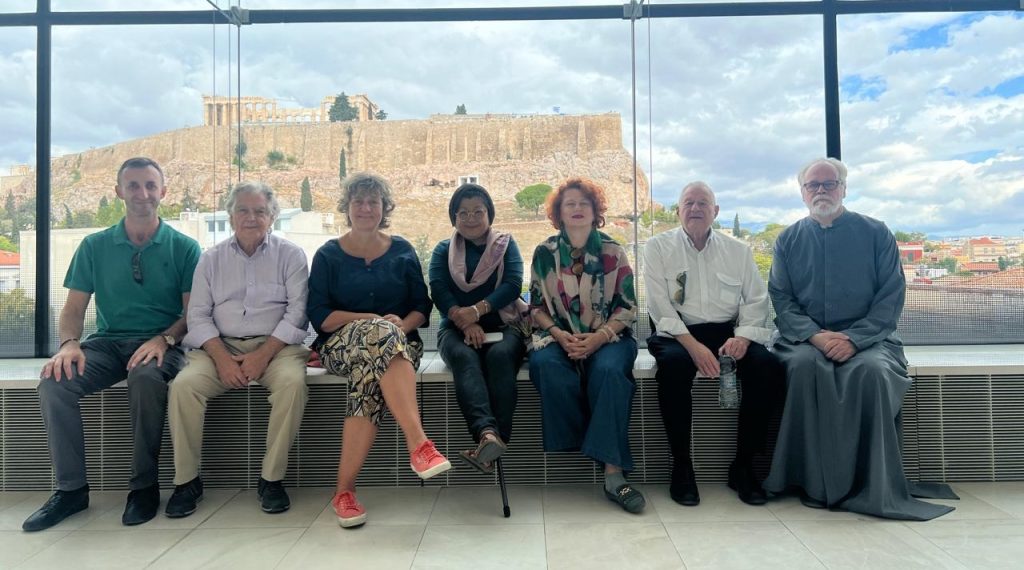
ENIB Board Meeting in Athens
RfP national chapter representatives from Bulgaria, Spain, Finland, Germany, Albania, Italy, the Netherlands and the UK...Read More...
SDGs Conference at #UNGA79
RfPUK and 3 other RfP European National Inter-religious Bodies (ENIB) members were invited by the Journalists and Writers Foundation to offer presentations...Read More...

New Secretary General at Religions for Peace International
The Religions for Peace World Council (Governing Board) is pleased to announce the appointment of Dr. Francis Kuria Kagema as its Secretary...Read More...
